

 Image 1 of 1
Please note: The August 2026 course is now closed. Registration below is for the March 6 & 13, 2027 course.
What is it?
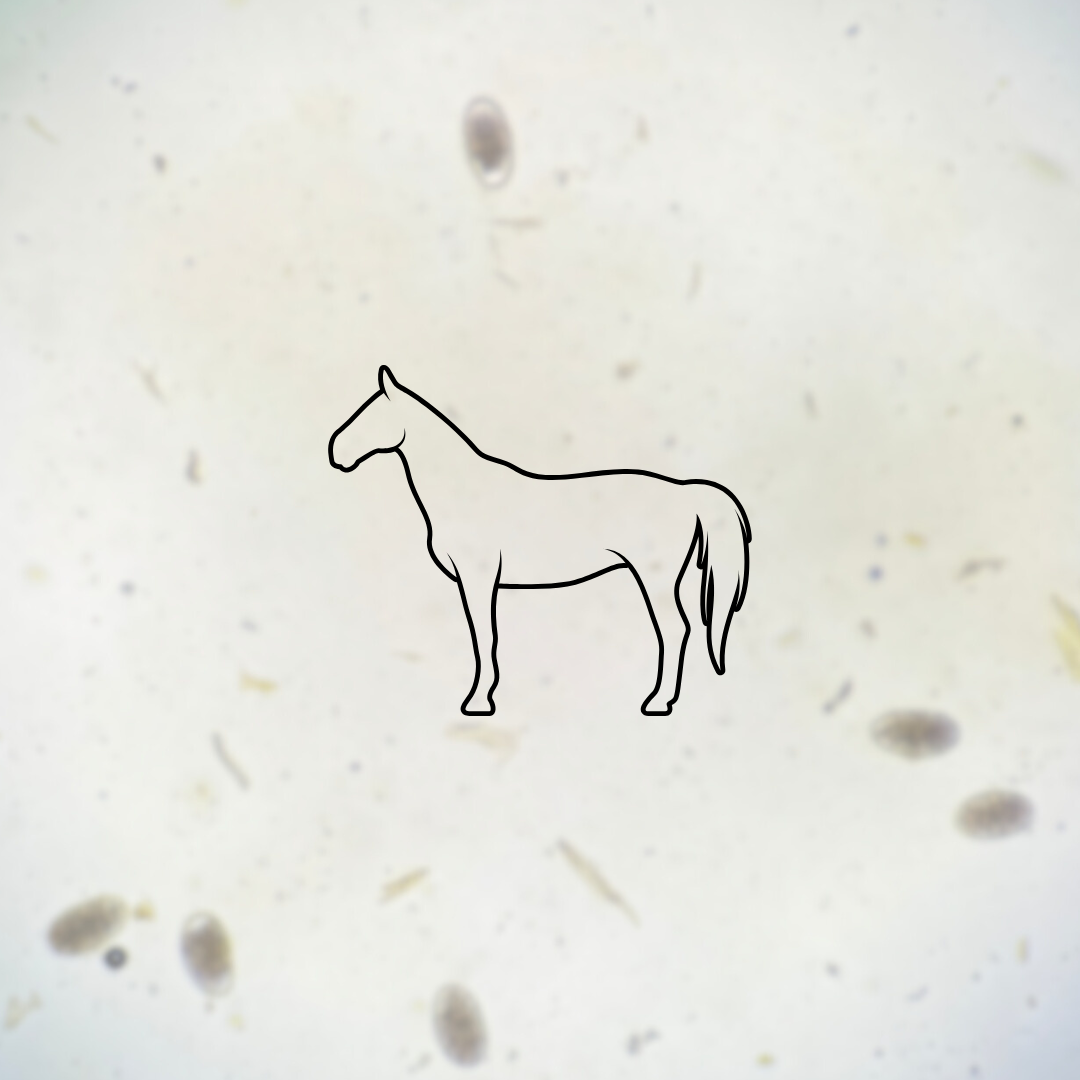
Learn how to perform fecal egg counts on horses — from sample collection to interpreting results — in a live Zoom class with expert instruction by Dr. Carly Farmer. Core fecal egg counting principles are reviewed, with instruction tailored specifically to horses.
When is it?
Saturday, March 6, 2027 11:00 AM ET (90–120 min)
Saturday, March 13, 2027 11:00 AM ET (90–120 min)
Who is this for?
Horse owners, riders, and equine enthusiasts
Veterinary professionals and technicians
Anyone managing horse herd health or interested in learning a new skill
With or without microscope experience
What will you learn?
Equipment and materials needed for equine fecal egg counting
Collecting and preparing equine fecal samples
Using a microscope and McMaster slide
Step-by-step Modified McMaster technique for horses
Identifying common equine parasites
Interpreting results for parasite management decisions in horses
What’s included?
Two live virtual training sessions with Q&A via Zoom
Saturday, March 6, 2027 11:00 AM ET (90–120 min)
Saturday, March 13, 2027 11:00 AM ET (90–120 min)
30-day access to session replays
Lifetime access to downloadable course materials and resources
Materials checklist
Step-by-step Modified McMaster technique guide
Fecal egg count tracking templates
Equine parasite identification guide
Guided practice examples to build confidence with parasite identification
Sample collection and handling guidance
Flotation solution preparation instructions
Access to the private student Facebook group
Ongoing troubleshooting and educational support
Why it’s valuable?
Save money on veterinary parasite testing
Monitor parasite loads in your horses on your own
Detect resistance and make informed deworming decisions
Build confidence in managing internal parasites in horses
Payment Information
Course Fee: $200 per household (includes you + one partner)
Registration includes one course login intended for use within a single household
Need access for more than two participants? Contact us for group rates
Preregistration and payment required to secure your spot
Please note: The August 2026 course is now closed. Registration below is for the March 6 & 13, 2027 course.
What is it?
Learn how to perform fecal egg counts on horses — from sample collection to interpreting results — in a live Zoom class with expert instruction by Dr. Carly Farmer. Core fecal egg counting principles are reviewed, with instruction tailored specifically to horses.
When is it?
Saturday, March 6, 2027 11:00 AM ET (90–120 min)
Saturday, March 13, 2027 11:00 AM ET (90–120 min)
Who is this for?
Horse owners, riders, and equine enthusiasts
Veterinary professionals and technicians
Anyone managing horse herd health or interested in learning a new skill
With or without microscope experience
What will you learn?
Equipment and materials needed for equine fecal egg counting
Collecting and preparing equine fecal samples
Using a microscope and McMaster slide
Step-by-step Modified McMaster technique for horses
Identifying common equine parasites
Interpreting results for parasite management decisions in horses
What’s included?
Two live virtual training sessions with Q&A via Zoom
Saturday, March 6, 2027 11:00 AM ET (90–120 min)
Saturday, March 13, 2027 11:00 AM ET (90–120 min)
30-day access to session replays
Lifetime access to downloadable course materials and resources
Materials checklist
Step-by-step Modified McMaster technique guide
Fecal egg count tracking templates
Equine parasite identification guide
Guided practice examples to build confidence with parasite identification
Sample collection and handling guidance
Flotation solution preparation instructions
Access to the private student Facebook group
Ongoing troubleshooting and educational support
Why it’s valuable?
Save money on veterinary parasite testing
Monitor parasite loads in your horses on your own
Detect resistance and make informed deworming decisions
Build confidence in managing internal parasites in horses
Payment Information
Course Fee: $200 per household (includes you + one partner)
Registration includes one course login intended for use within a single household
Need access for more than two participants? Contact us for group rates
Preregistration and payment required to secure your spot