Understanding parasite exposure in backyard chickens
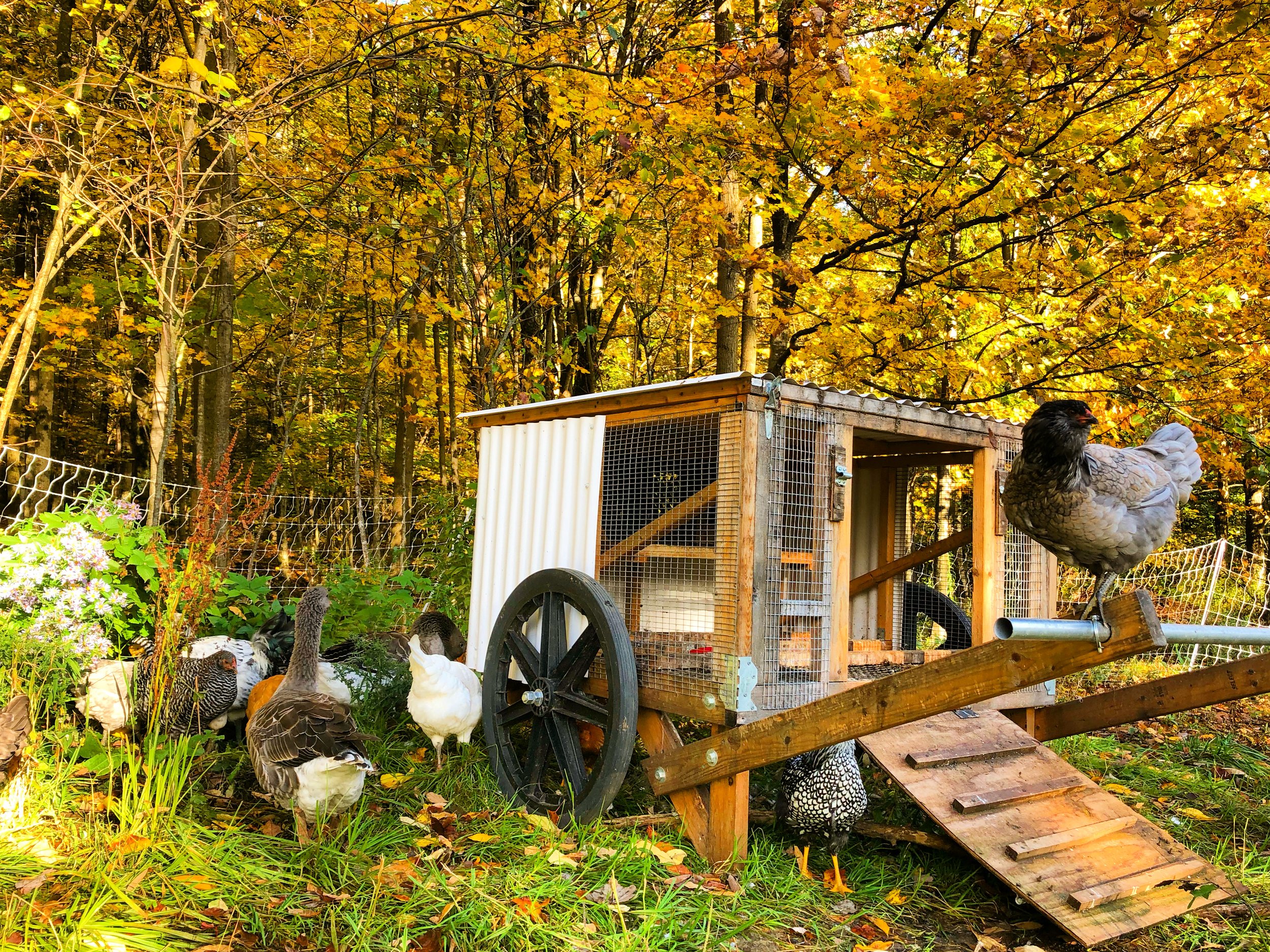
Healthy backyard flock in a pasture-based mobile coop.
A practical look at parasite exposure, monitoring, and long-term flock management
A common question among backyard poultry owners is whether it’s normal for chickens to have some level of parasite exposure.
In many outdoor poultry systems, some degree of parasite exposure is common and may be identified during fecal testing, even in flocks that otherwise appear healthy.
Finding parasite eggs on fecal testing does not automatically mean birds are unhealthy or require treatment. Parasite discussions are often centered around elimination, but in practice, exposure can be a normal part of many outdoor environments.
What matters more is understanding parasite pressure, flock condition, environmental management, and whether parasite burdens may be contributing to disease within the flock.
Parasites Are Part of the Environment
Most internal poultry parasites are transmitted through manure-contaminated environments.
Parasite eggs are shed in droppings, develop under favorable environmental conditions, and are then picked back up as birds forage and scratch through contaminated areas. In many backyard systems, exposure is ongoing to some degree.
That does not necessarily mean a flock is unhealthy or poorly managed.
Some adult birds may carry relatively low parasite burdens with few outward clinical signs. Problems are more likely to develop when environmental conditions allow parasite pressure to increase significantly.
Why Some Flocks Develop More Problems Than Others
Parasite pressure is influenced by a combination of environmental conditions, bird factors, and overall management practices.
A few factors that commonly influence parasite buildup within backyard flocks include:
Moisture and Drainage
Damp bedding, muddy runs, standing water, and wet organic material can create favorable conditions for many parasite eggs and oocysts to survive and develop.
Stocking Density
Higher bird density generally results in more manure accumulation and more repeated exposure to contaminated environments.
Repeated Use of the Same Space
Small runs and permanent poultry yards can gradually accumulate parasite burden over time, even when they appear visually clean.
Age and Overall Resilience
Young birds are often more susceptible to clinical disease, while adult birds may carry lower parasite burdens without obvious signs.
Stress, nutrition, concurrent illness, and environmental pressures may also influence how well birds tolerate parasite exposure.
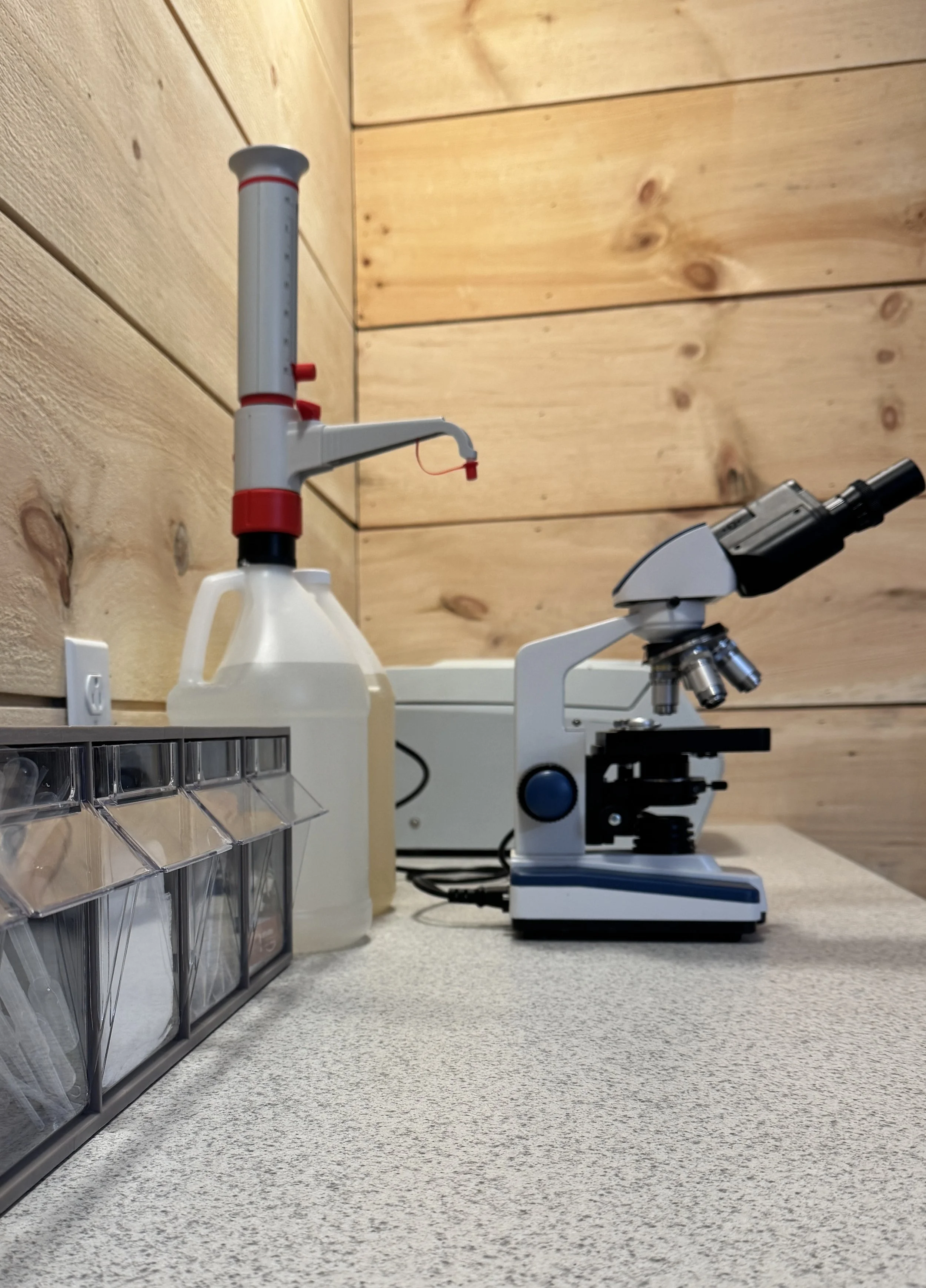
Fecal egg counts represent a snapshot in time and are best interpreted within the context of the overall flock.
Interpreting Fecal Test Results
A positive fecal result indicates that parasite eggs or oocysts were observed at the time of sampling. On its own, it does not determine clinical significance or whether intervention is needed.
Fecal testing is best viewed as one piece of a larger picture alongside flock history, age groups, environmental conditions, clinical signs, and overall flock performance.
Interpreting results within the context of the individual flock is often more useful than viewing a positive result alone as a problem that automatically requires action.
Management Practices commonly discussed in Parasite management
Consistent environmental management practices often play an important role in long-term parasite control.
Some commonly discussed management strategies include:
managing moisture
reducing manure buildup
rotating or resting outdoor areas when possible
avoiding overcrowding
monitoring flock condition routinely
paying attention to changes over time
Management practices are often discussed as one factor that may influence overall flock health and environmental parasite pressure over time.
What About Natural Supplements and Herbs?
Some plant compounds have shown potential benefits in research settings, particularly related to gut health, overall bird resilience, or parasite suppression under certain experimental conditions. In some studies, concentrated extracts or purified compounds have demonstrated more measurable effects than whole herbs or supplements used at typical backyard flock levels.
These products are often discussed more in the context of long-term management and overall flock support rather than functioning as a single-treatment intervention in the same way as conventional dewormers.
However, these products do not function the same way as conventional dewormers, and evidence for consistent direct parasite control in practical flock settings can be variable.
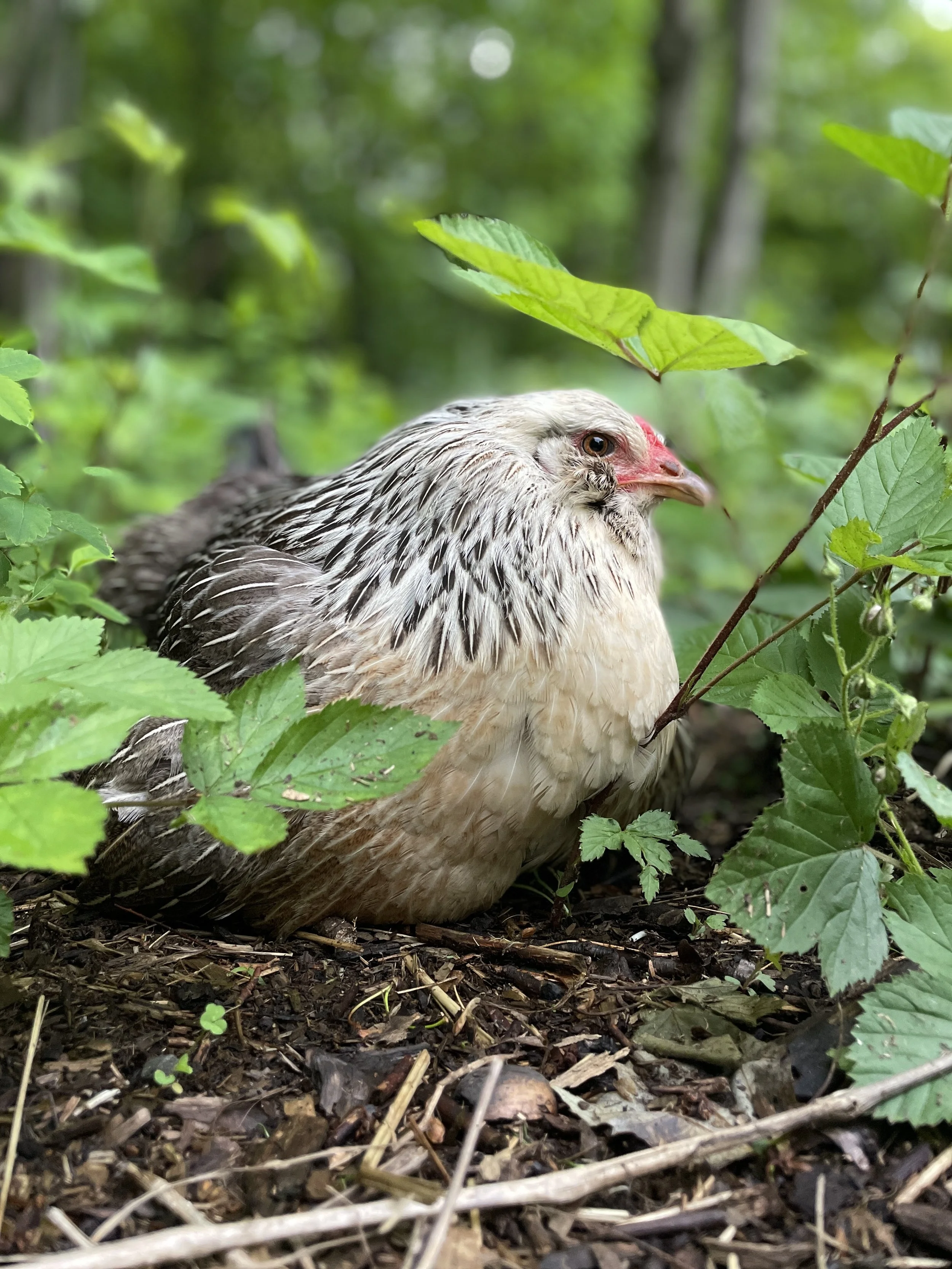
Environmental conditions, flock management, and observation all play a role in long-term flock health.
Observation & Long-term management
One of the most valuable aspects of parasite management is learning what is normal for an individual flock.
Changes in body condition, droppings, egg production, feather quality, behavior, or overall thriftiness may provide useful context when evaluating overall flock health.
Not every positive fecal test represents a crisis, and management decisions are rarely one-size-fits-all.
Conversations around parasite management are often centered less around complete elimination and more around understanding parasite pressure, monitoring flock health, and recognizing changes over time.
A practical, observant approach is often more sustainable and useful for long-term flock management.
If you're interested in learning more about parasite monitoring, fecal testing, and practical parasite management approaches for backyard flocks, I plan to continue sharing additional poultry educational resources through Farmer Analytics and my newsletter in the future.